Stronger Roots, Healthier Grass: Why Liquid Aeration Deserves a Spot in Your Lawn Care
Most folks want the same thing from their yards: thicker grass, fewer bare spots, and a lawn that can handle heat, foot traffic, and uneven rainfall. One way to get there, often overlooked, is liquid aeration. Unlike traditional plug aeration, liquid aeration helps relieve compaction, improves water movement, and supports deeper root growth without pulling soil cores from the ground. When it's part of a broader plan that includes lawn care and smart seasonal maintenance, you'll notice a real difference in how your grass looks and performs.
Here's the thing: for many properties, especially those with clay-heavy soil or high traffic, the real issue is not just what's happening above ground. It's what's going on below the surface. Compacted soil limits oxygen, slows root growth, and prevents water and nutrients from reaching the roots effectively. The result? Grass that looks stressed even when you're watering and fertilizing. According to the USDA Natural Resources Conservation Service, a healthy soil structure is key for infiltration, root growth, and overall plant resilience. This is why focusing on soil can make a big difference for long-term lawn health. If you want a lawn that can truly recover and strengthen, liquid aeration is worth considering.
What Liquid Aeration Is and How It Works
A Different Way to Loosen Soil
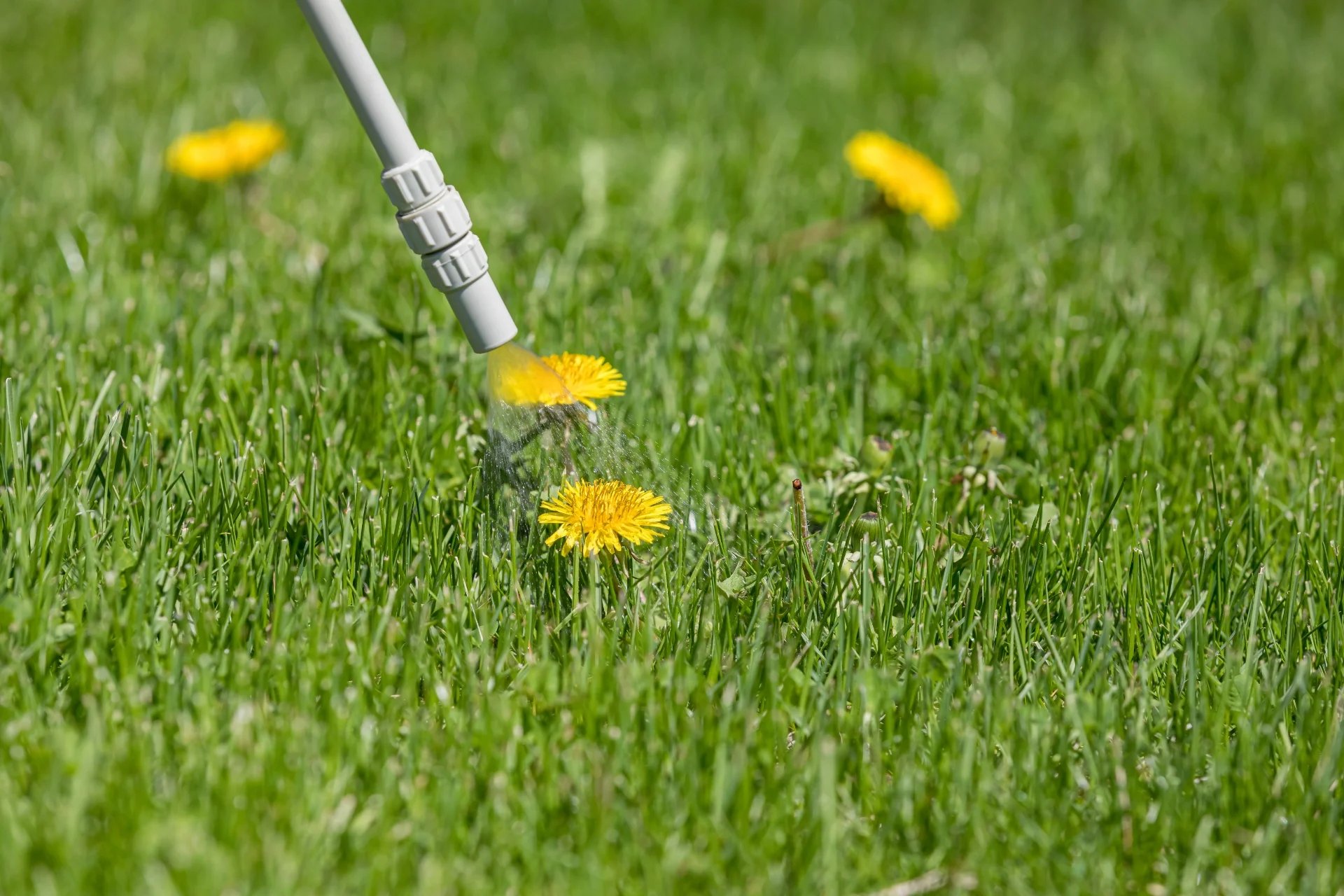
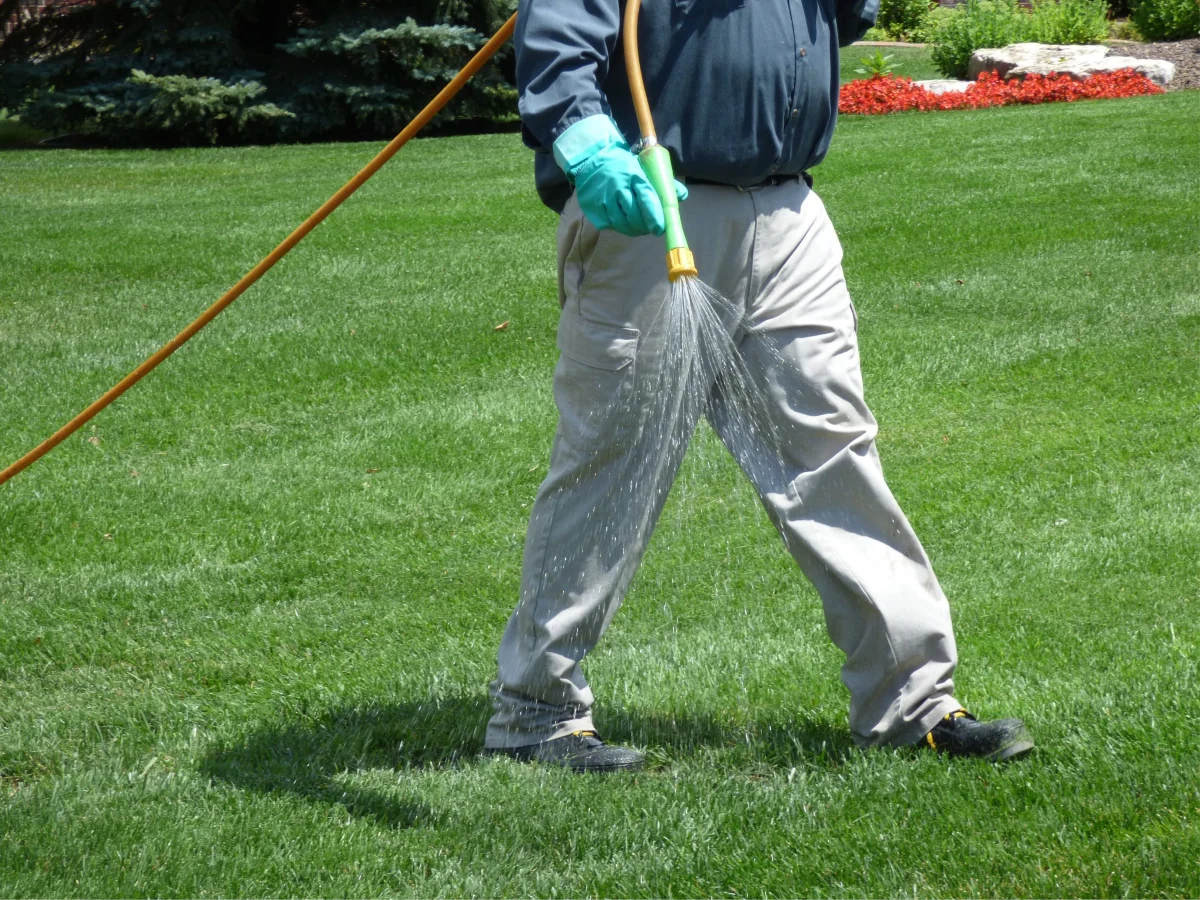
Liquid aeration is a soil treatment applied as a liquid, typically with a sprayer, to help break down compacted soil and improve how air, water, and nutrients move through the ground. It doesn't physically remove plugs like core aeration, but it can still improve soil conditions by using surfactants, humic substances, biologicals, and other soil-conditioning ingredients. Put simply, the treatment helps the soil become more receptive to moisture and root expansion.
Why does this matter? Because compacted soil often acts like a barrier. Water may run off the surface instead of soaking in, fertilizer might sit near the top instead of reaching the roots, and roots may spread shallowly because they can't push deeper. Over time, this weakens the lawn’s ability to tolerate heat and drought. A good liquid aeration program supports a more open soil environment so roots can grow stronger and grass can access what it needs.
How It Compares to Traditional Aeration
Core aeration removes small plugs of soil, which can be highly effective when compaction is severe. Liquid aeration works differently and is often valued for its convenience, even application, and ability to improve soil conditions without leaving plugs on the lawn. Many homeowners combine both methods over time: core aeration for heavy compaction and liquid aeration for ongoing support between more intensive treatments. If you're already planning seasonal turf care, pairing liquid aeration with core aeration can provide a more complete strategy for soil improvement.
No single treatment solves every soil problem, which is why professional assessment matters. In some yards, especially those with moderate compaction, liquid aeration might be the better fit for ongoing maintenance. In others, it may perfectly complement a larger recovery plan that includes fertilization, weed control, and moisture management. The best approach depends on soil type, turf type, lawn traffic, and the season.
Why Soil Compaction Hurts Grass Growth
Roots Need Room to Breathe
Roots are the foundation of a healthy lawn. They anchor the grass, absorb water, and draw in nutrients needed for growth and recovery. When soil is compacted, roots struggle to spread out, limiting the lawn’s ability to take in moisture during hot or dry spells. A shallow root system also means grass becomes more dependent on frequent watering and more vulnerable to stress.
Compaction is especially common in areas with heavy foot traffic, repeated mowing patterns, parked vehicles, construction activity, or naturally dense clay soils. You might notice puddling after rain, hard ground, patchy growth, or grass that seems to thin out even with regular care. These signs suggest the turf may be struggling below the surface. In these cases, addressing the soil is often more effective than simply adding more fertilizer or water.
Water and Nutrients Move Less Efficiently
Healthy turf relies on consistent access to water and nutrients. Compacted soil interrupts both. Water might pool in low spots or run off before it has time to soak in. Nutrients can become unevenly distributed, leaving some areas overfed and others undernourished. Over time, this creates a lawn that looks inconsistent and is harder to maintain.
This is why many lawn professionals view liquid aeration as part of a soil-health system, not a standalone fix. Treatments like soil amendments and conditioners can further improve the ground by helping it hold moisture, support microbial activity, and respond better to fertilization. When the soil is healthier, the whole lawn becomes easier to manage and more resilient through the seasons.
The Benefits of Liquid Aeration for Homeowners
Better Root Development
One of the biggest benefits of liquid aeration is improved root growth. When soil conditions improve, roots are more likely to grow deeper and spread farther, helping the grass access more water and nutrients. Deep-rooted turf is usually thicker, more stable, and better able to handle summer stress. In hotter climates, stronger roots can make a significant difference.
Homeowners often notice that once roots begin to strengthen, the lawn responds better to every other treatment in the plan. Fertilizer is used more efficiently, watering becomes more effective, and the grass can better recover from stress or light damage. That makes liquid aeration a smart investment in your yard's overall performance.
Improved Moisture Movement
Another major advantage is better water movement through the soil profile. Lawn care professionals often see properties where irrigation is running, but the moisture doesn't reach the root zone evenly. Liquid aeration can improve infiltration, allowing water to move where it's needed instead of sitting on the surface or evaporating too quickly. This is particularly useful during stretches of intense heat.
If you're looking to maximize every drop, combining aeration with moisture management can be especially effective. Moisture management helps grass hold water and handle stress better, while aeration helps that water get into the root zone in the first place. Together, they create a more efficient system for supporting healthy turf.
Stronger Response to Fertilization
Fertilizer works best when the root system can access and use it properly. If the soil is compacted, even a well-timed feeding may not deliver the results you expect. Liquid aeration improves the environment around the roots, which helps nutrients move more effectively through the soil. That means your lawn may respond more evenly to a fertilization program and show better color, density, and growth.
This is one reason many professionals schedule aeration before or alongside other treatments. It prepares the lawn to get more value from the rest of the care plan. If your goal is thicker turf with better color, consider how aeration and fertilization work together rather than treating them as separate tasks.
When Liquid Aeration Makes the Most Sense
Yards with Clay-Heavy or Compacted Soil
Liquid aeration is especially helpful where soil is dense, sticky, or prone to compaction. Clay-heavy soils are common in many areas and can hold water too tightly when wet, then harden when dry. That cycle makes it difficult for roots to expand and for water to move steadily. Liquid aeration helps soften those conditions over time and improve soil behavior.
If your lawn often feels hard underfoot, has trouble draining, or seems to dry out quickly in spots, aeration may be a practical next step. It can be used strategically to support seasonal lawn recovery and keep turf healthier between more intensive services. In some cases, it may also reduce stress on other landscape plants that are competing with the lawn for moisture and nutrients.
Lawns with Frequent Foot Traffic
Families, pets, and backyard gatherings can all create repeated pressure on the same areas of turf. Over time, that pressure compacts the soil and wears down the grass. Liquid aeration helps improve those high-use areas, especially when paired with good mowing habits and targeted maintenance. It's often a good fit for front yards, play areas, and pathways where compacted soil develops quickly.
In high-traffic yards, the goal is not just to make the grass look better in the short term. It's to make the lawn more durable and able to recover from daily use. That's why many homeowners also look at lawn mowing practices and turf height, since proper mowing can reduce stress and help the lawn maintain energy for root growth.
Lawns Recovering from Stress
If grass has been through drought, heat stress, grub damage, or disease pressure, root recovery becomes a top priority. Liquid aeration can support that recovery by improving the soil conditions that roots need to rebound. It's not a cure-all, but it can help create a better foundation for recovery when combined with the right care plan. For some lawns, that plan may also include lawn disease and fungus treatment if discoloration or thinning has already appeared.
Stress recovery is where many homeowners see the value of a customized approach. A lawn that has suffered through one season may not need the same treatment as a lawn that has remained mostly healthy. That's why inspections and professional recommendations matter: they help you choose the right treatment at the right time.
How Liquid Aeration Fits Into a Complete Lawn Care Routine
Pair It with Weed Control and Healthy Turf Practices
Healthy grass naturally crowds out weeds more effectively, but only when it has the resources to grow thick and strong. Liquid aeration helps support that growth by improving the root environment. It works especially well when paired with weed control and pre-emergent planning, because a stronger lawn is more competitive and better able to fill in bare areas. The result is a turf that looks cleaner and holds up better through the season.
Weed pressure often increases when the lawn is thin or stressed. By improving root function and water uptake, aeration can reduce the conditions that weeds love. That makes it a valuable part of an integrated lawn care routine rather than a one-time treatment done in isolation.
Support Shrubs, Ornamentals, and Landscape Beds
Compacted soil doesn't only affect grass. It can also stress shrubs and landscape beds by limiting moisture movement and root expansion. If your property includes ornamental plants, a broader care plan may include shrub and ornamental care to keep the whole landscape tidy and healthy. While turf and ornamentals are different, they often face the same soil limitations.
In yards where the landscape is a major part of curb appeal, soil-focused care can make the entire property look more balanced. Healthy roots below the surface support healthier growth above it, whether that growth is turf, shrubs, or flowering plants. This whole-yard view is one of the reasons professional lawn care often outperforms isolated, DIY fixes.
Use It with Pest and Grub Protection
Sometimes thinning grass is caused by more than compacted soil. Grubs, fire ants, and other pests can damage roots and weaken turf from below. If you're already investing in soil improvement, it makes sense to protect the lawn from pest pressure as well. Services like grub control and fire ant control can help prevent root damage that undermines all your other efforts.
The point is to build a system that supports grass from multiple angles. Healthy roots need good soil, but they also need protection from insects, disease, and environmental stress. Aeration is an important part of that system because it helps the lawn become stronger rather than simply greener for a short time.
What Research and Soil Science Tell Us
Healthy Soil Structure Matters
Soil science consistently shows that healthy structure improves infiltration, rooting depth, and nutrient cycling. The USDA’s soil resources emphasize that physical properties such as pore space and aggregation affect how roots access oxygen and water. In practical terms, this means turf performs better when soil is loose enough for air and water to move freely. Liquid aeration supports these goals by improving the conditions around the root zone.
While every lawn is different, the principle is the same: better soil environment, better plant performance. That's why soil improvement is often viewed as a long-term strategy rather than a quick cosmetic fix. It helps create the conditions needed for sustainable lawn health.
Water Efficiency Is Becoming More Important
Homeowners are increasingly looking for ways to keep lawns healthy while using water more efficiently. Resources from the EPA WaterSense program highlight the importance of efficient irrigation and smarter landscape practices. Liquid aeration fits well with that mindset because it helps water penetrate the soil more effectively instead of being wasted through runoff or shallow absorption.
For homeowners who want to make better use of irrigation, aeration is a logical place to start. It can improve the performance of the entire watering system by helping water reach deeper roots. That makes it a practical option for landscapes trying to balance appearance with resource efficiency.
Professional Timing Makes a Difference
Soil treatments work best when they're applied with the lawn’s growth cycle and local conditions in mind. A treatment that's helpful in one season may be less effective in another if soil temperature, rainfall, or turf stress levels are not considered. This is why professional service often produces better results than guesswork. A trained lawn care provider can match aeration timing to your grass type and seasonal goals.
If you want a service plan built around your lawn’s needs, professional guidance can help you avoid wasted treatments and improve the return on every application. Timing is one of the biggest reasons some properties see dramatic improvement while others see only mild change. A customized approach usually wins.
How to Know If Your Lawn Needs Liquid Aeration
Look for Visible Symptoms
There are a few common warning signs that indicate compaction may be affecting your turf. These include hard soil, water pooling, patchy growth, thinning areas, weak recovery after mowing, and grass that turns stressed quickly during heat. If your lawn seems to struggle no matter how much you water or fertilize, the issue might be underground rather than above it.
Another clue is how the lawn responds after rain. If water runs off instead of soaking in, compaction may be limiting infiltration. In those cases, liquid aeration may be one of the most useful treatments available because it addresses the underlying issue instead of just the symptoms.
Consider What Kind of Lawn Stress You Are Seeing
Not all lawn problems point to the same cause. Some are driven by weeds, some by disease, and others by insects or poor irrigation. If brown areas are spreading, it may be worth looking at disease and fungus control or insect inspection before assuming the problem is compaction alone. The smartest lawn plans consider the whole picture.
That said, compaction often shows up alongside other issues because stressed lawns are more vulnerable overall. A soil test or professional assessment can help identify whether liquid aeration should be a priority this season. That's often the fastest way to avoid ineffective treatments and move toward real improvement.
Ask About Combined Service Plans
Many homeowners get the best results when liquid aeration is part of a larger care plan. For example, a lawn may need aeration, fertilization, weed control, and moisture support all in the same season. By combining services strategically, you can create better conditions for recovery and growth. It also helps avoid the cycle of treating the same symptoms over and over.
That's one reason homeowners often choose a professional provider rather than piecing together products on their own. A coordinated plan helps each treatment support the next one, which is especially valuable in tough growing conditions.
Expert Tips for Getting the Best Results
Be Consistent, Not Reactive
One treatment can help, but consistent care produces the most durable results. A lawn that receives regular soil support, the right mowing height, targeted weed prevention, and seasonal feeding tends to improve steadily over time. Liquid aeration works best as part of that kind of routine rather than as a one-time emergency fix.
For those who want to stay ahead of problems, a recurring plan often saves time and frustration. It also helps the lawn develop gradually instead of being pushed into growth and then stressed again. That balanced approach is usually healthier in the long run.
Track How Your Lawn Responds
After aeration, watch for changes in water absorption, color, growth density, and how quickly the lawn rebounds after mowing or light stress. Some improvements show up quickly, while others take time as roots strengthen below the surface. Tracking these changes helps you understand what's working and what may need to be adjusted.
It's also helpful to note which parts of the yard improve first. High-traffic areas may respond differently than shaded edges or sloped sections. Those observations can guide future treatment decisions and make your next lawn care season even more effective.
Work with a Local Professional
Local conditions matter. Soil texture, rainfall patterns, grass type, and seasonal pressure all influence how well liquid aeration performs. A provider with regional experience can tailor the timing and follow-up care to your property. That's especially valuable for those who want real improvement rather than trial-and-error treatments.
For homeowners in North Texas, a professional team can also recommend when to pair aeration with irrigation services, fertilizer, or pest control. That integrated strategy often produces the strongest results because every service supports the same goal: a healthier lawn from the roots up.
Frequently Asked Questions About Liquid Aeration
How Long Does It Take to See Results?
Some folks notice improved water absorption or a healthier appearance within a few weeks, while deeper benefits like root development may take longer. The timeline depends on soil condition, weather, irrigation, and overall lawn health. Because liquid aeration works below the surface, some of the most important improvements are gradual rather than immediate.
Can Liquid Aeration Replace Core Aeration?
It can be a great option in many situations, but it doesn't always replace core aeration. If the soil is severely compacted, physically removing plugs may still be beneficial. In many lawns, the best answer is not either-or, but using the right method at the right time based on the property’s needs.
Is It Safe for All Lawn Types?
Liquid aeration is generally designed to be safe when applied properly, but the best results depend on choosing the right product and timing it correctly for your turf type. A professional assessment helps ensure the treatment supports the lawn instead of stressing it. This is especially important if the lawn is already dealing with disease, drought, or pest pressure.
Conclusion: Build a Stronger Lawn from the Ground Up
If your lawn has been struggling with thin spots, slow recovery, poor water absorption, or weak root growth, liquid aeration may be the missing piece in your lawn care routine. It works by improving the soil environment your grass depends on, which can lead to stronger roots, better moisture use, and a more resilient yard overall. When combined with thoughtful mowing, weed control, fertilization, and soil support, it can help turn a stressed lawn into one that performs more consistently throughout the year.
At Anointed Lawn Care The Weed Killers, we believe healthy turf starts below the surface. If you're ready to improve your lawn’s foundation, explore our services and build a plan tailored to your property. Learn more about our liquid aeration service, or contact our team to discuss a custom approach that helps your lawn grow stronger, greener, and more resilient season after season.
Ready to strengthen your roots and improve your grass? Get a free estimate today and take the next step toward a healthier lawn.