How to Keep Your Family and Pets Safe from Ticks in Your Newark, TX Yard
Ticks often lurk in places we least expect, like our own backyards. They don't need a dense forest or hiking trail to become a nuisance. All it takes is some tall grass, shady spots, and a few warm days for them to start looking for hosts. This means your backyard could become a spot where your kids, pets, and you could pick them up without even knowing it. Thankfully, a healthier yard can be less inviting to ticks, and that's where professional lawn care comes in handy.
Looking to reduce ticks around your home? It's not just about a quick spray or clean-up. It's a combination of mowing, trimming, managing moisture, pest control, and smart landscaping. According to the CDC, ticks thrive in grassy, brushy, and wooded areas, especially where there's regular animal traffic. So, the trick is to make your yard less enticing to them in the first place.
At Anointed Lawn Care The Weed Killers, we work with homeowners to create healthier outdoor spaces that are easier to maintain and less inviting to pests. Whether it's regular mowing, weed control, or pest treatments, a good lawn care plan can boost both curb appeal and safety for your family. If you're finding it hard to relax in your yard, this guide will help you understand why ticks show up, what attracts them, and how professional care can lower the risk.
Why Ticks Love Residential Yards
Ticks Aren't Picky
Ticks don't care how big or small, new or old, neat or messy a property is. They just need a place with hosts, shelter from heat, and enough moisture to survive. Home landscapes with thick ground cover, unmowed edges, and shaded areas can provide all that. Even well-kept yards can have hidden tick-friendly spots along tree lines, under shrubs, or near firewood stacks.
Many people think ticks are only a problem in deep woods, but suburban and semi-rural yards can be just as risky, especially if wildlife and pets are around. Animals like deer, raccoons, stray cats, birds, and rodents can bring ticks into your yard. Once there, ticks can wait quietly on grass tips or leaves for a host to pass by.
Warm Weather and Humidity Make Things Worse
Ticks are more active when it's warm and moist. While Texas heat can wear out turf, shaded and irrigated parts of a yard can stay ideal for ticks. Over-irrigation, poor drainage, and dense landscaping can create humid pockets that help ticks thrive even when the rest of the yard looks dry. That's why lawn health and moisture balance are more important than many homeowners realize.
Professional services like moisture management and irrigation adjustments can help reduce these damp, inviting conditions. A drier yard is often less friendly to the pests that ticks depend on. When combined with regular mowing and edge cleanup, your yard can become a better place for your grass and a less appealing spot for pests.
Health Risks You Can't Ignore
Tick Bites Are More Than Just Annoying
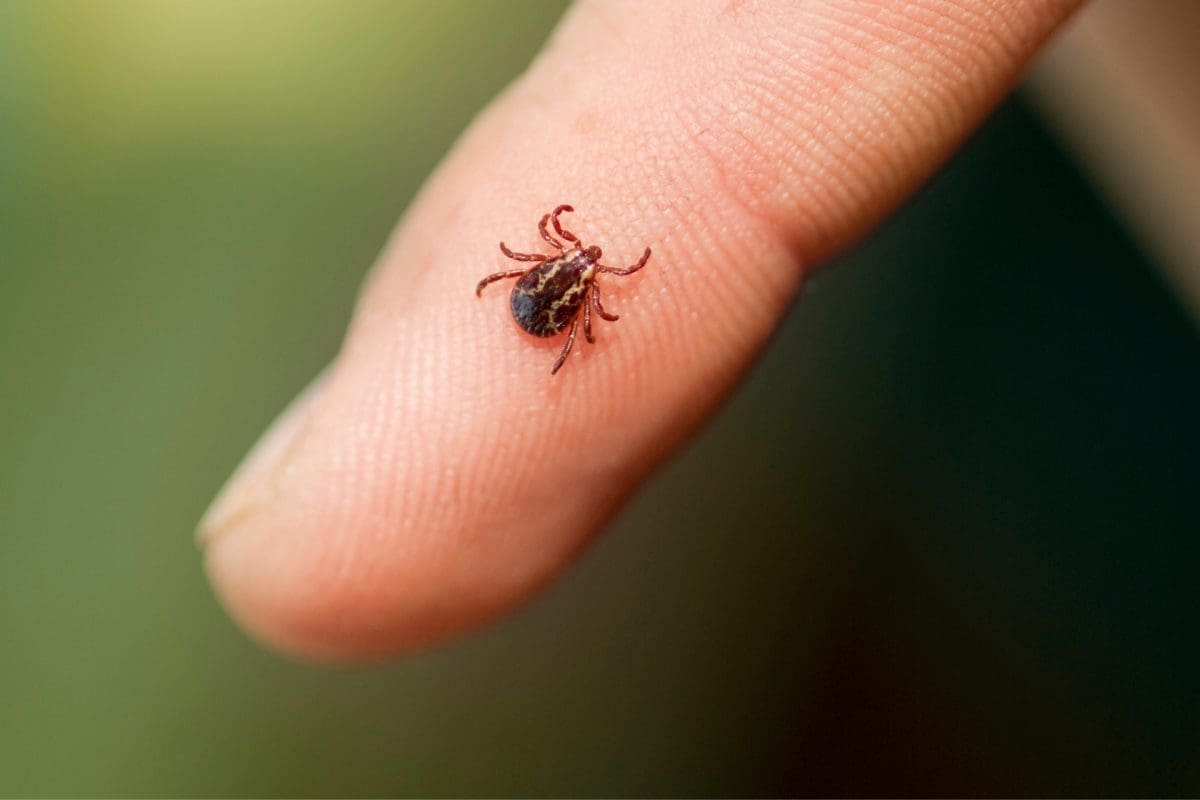
A tick bite isn't just itchy. Depending on the type of tick and where you live, ticks can spread serious diseases to people and animals, like Lyme disease and Rocky Mountain spotted fever. The National Institute of Allergy and Infectious Diseases says tick-borne diseases are a big public health concern across the U.S. That's reason enough to take yard prevention seriously.
Families with young kids or pets should be extra cautious as both are more likely to play close to the ground or brush against shrubs. Pets can also bring ticks inside, which adds stress if you thought the problem was only outside. Stopping tick exposure outside is often easier and more effective than dealing with it after a bite has happened.
Pets Can Bring Ticks Inside
Dogs are especially at risk because they like to explore grass, hedges, and fence lines where ticks hang out. A single walk around the backyard can be enough for a tick to hitch a ride inside, then move to bedding, upholstery, or carpet. This is why homeowners often pair lawn service with flea and tick control and perimeter pest control. The goal is not just to kill pests after they appear, but to disrupt the places they live and travel. When the outdoors becomes less hospitable, the chance of ticks reaching your family or pets drops significantly.
Signs Your Yard May Be a Tick Haven
Overgrown and Shady Corners
If your lawn has spots that stay shaggy between mowing, those areas might be perfect tick habitats. Tall grass near fences, sheds, patios, and back corners gives ticks a place to hang out and wait for movement. Overhanging branches and dense shrubs can create cool shade that lets humidity stick around all day.
Homeowners often focus on the center of the lawn and overlook the edges. But that's where wildlife enters, grass can grow unevenly, and ticks are most likely to wait. A yard that looks fine from the street might still harbor plenty of tick-friendly spots along the edges.
Leaf Litter, Clutter, and Animal Activity
Leaves, mulch piles, stacked wood, and landscape debris can all help ticks survive. These materials create protected spaces where small animals hide, and these animals are often part of the tick life cycle. If you notice frequent bird activity, squirrel paths, or rodent signs, your yard might be supporting the ecosystem that lets ticks move in and stay active.
Professional landscaping and regular cleanup can help reduce these hiding spots. Clearing debris and redefining landscape borders makes a property less appealing to pests while improving its appearance. That is one of the advantages of taking a landscape-first approach instead of relying only on pesticide applications.
How Professional Lawn Care Cuts Down on Ticks
Regular Mowing Keeps Ticks at Bay
One of the simplest ways to reduce tick habitat is to keep your grass trimmed regularly. Ticks are less likely to thrive in open, sunlit turf than in tall, tangled grass. Regular mowing also helps improve airflow and sunlight penetration, which dries out damp areas where ticks and other pests tend to linger.
Professional lawn mowing does more than make your yard look neat. It creates a more uniform surface, prevents overgrowth in problem areas, and helps expose hidden debris that can be removed before it becomes a pest refuge. Consistent mowing can be especially valuable in spring and summer when vegetation grows quickly and tick activity increases.
Aeration and Soil Health Build Stronger Turf
Healthy turf is more resilient, recovers faster, and fills in thin spots that can otherwise become trouble areas. Soil compaction can weaken grass, create bare patches, and hold excess moisture, all of which make a property more appealing to pests. That is why services like core aeration and soil amendments and conditioners can play an indirect but important role in tick reduction.
When grass roots can breathe and grow deeper, the lawn becomes denser and more competitive. Dense, healthy grass leaves fewer open pathways for pests and helps the yard dry more evenly after rain or irrigation. In this way, lawn care is not only about appearance; it is also about building a landscape structure that works against pest problems.
Targeted Treatments Help Create a Protective Barrier
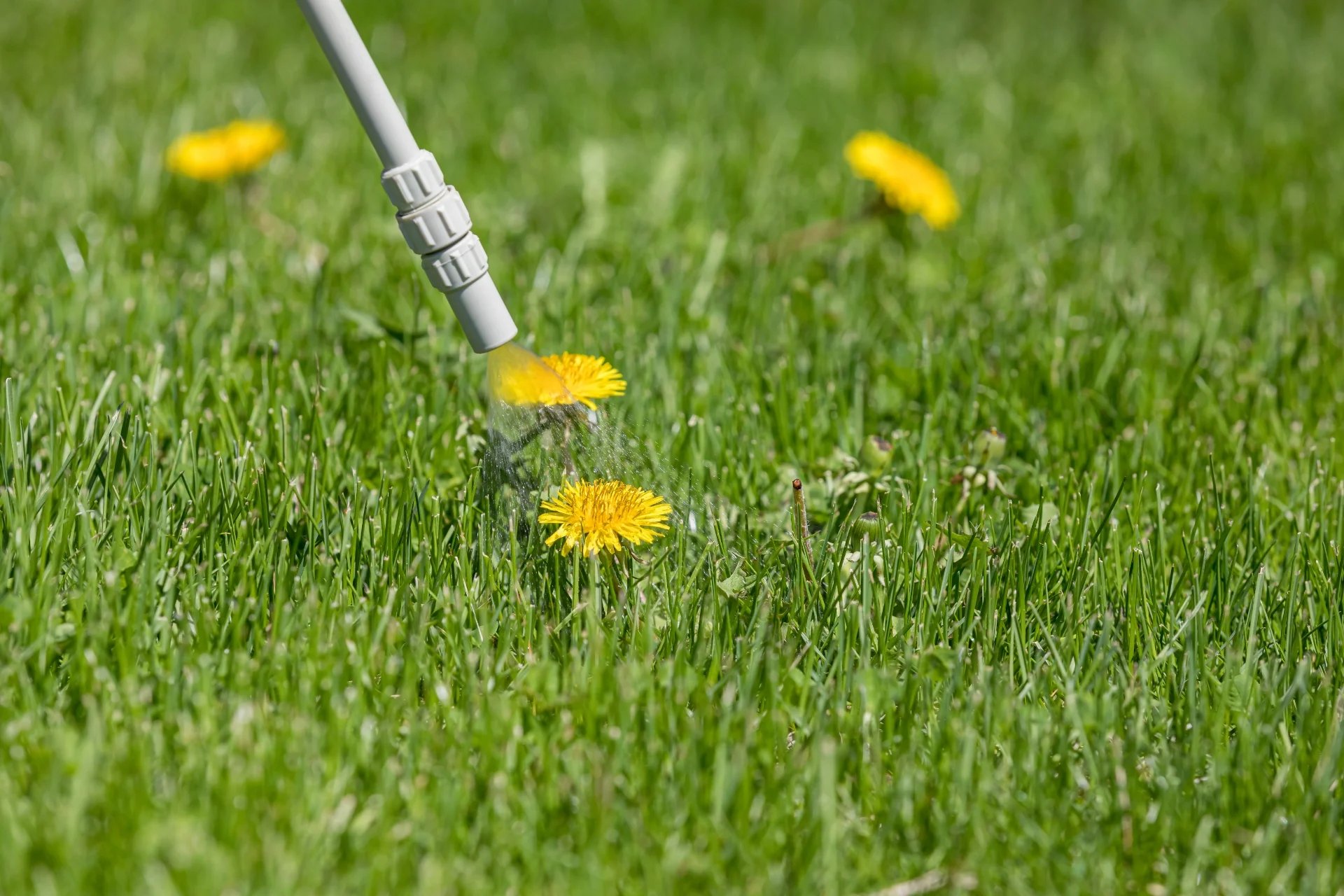
While lawn health matters, professional pest services add another important layer of protection. A qualified technician can assess where ticks are most likely to travel and apply treatments in the most relevant zones, especially along borders, shaded areas, and transition spaces between turf and landscape beds. This is where insect control and fire ant control may also contribute to a more comfortable outdoor environment.
It's important to understand that pest control works best when it is matched to property conditions and timing. Treatments should be part of a broader seasonal strategy rather than a one-time reaction. That is why homeowners often benefit more from customized programs than from generic, off-the-shelf products.
Easy Yard Habits That Make a Big Difference
Focus on Trimming the Right Areas
If you want to cut down on tick activity before a professional visit, start with the places pests love: tall grass along fences, shaded side yards, brushy corners, and any place where pets hang out. Removing brush piles, cutting back low branches, and clearing leaf buildup can immediately reduce shelter. These changes also make it easier to spot problem areas before they get worse.
Think of your yard in zones. The first zone is the open turf where mowing and fertilization matter most. The second zone is the border area where shrubs, fences, and structures create cover. The third zone is the transition area leading into woods, drainage swales, or neighboring overgrowth. Each zone may need a different approach for effective tick control.
Reduce Moisture When Possible
Ticks love sheltered, humid spots, which means excess water can work against you. Fixing sprinkler overspray, improving drainage, and avoiding unnecessary watering can help make the yard less inviting. The Environmental Protection Agency recommends watering efficiently to reduce waste and support healthier landscapes, and that same efficiency can also help reduce the damp conditions pests often prefer.
If parts of your yard stay soggy after rain or irrigation, consider whether grading, soil condition, or sprinkler timing may be contributing. A professional evaluation can identify whether your lawn needs better distribution, less frequent watering, or additional moisture management support. Sometimes the best tick-prevention step is simply removing the conditions that let pests thrive.
Protect the Spaces Pets Use Most
Dogs love to wear down paths in a yard, especially along fence lines and around patios. Those routes can become tick corridors if they're shaded and overgrown. Pay special attention to play areas, watering spots, and places where pets nap outdoors.
Many families pair outdoor care with annual or seasonal grub control and lawn pest management to keep the turf healthier from the roots up. Even though grubs are not ticks, turf that is weakened by underground pests can create thinning and patchiness that makes the lawn less protective overall. A strong, dense lawn supports better outdoor comfort across the board.
Why Integrated Pest and Lawn Care Is Effective
One Service Alone Isn’t Enough
Tick reduction works best when lawn care and pest control team up. If the grass is too tall, the borders are too dense, or the soil is too compacted, pest applications might not work as well as they should. Likewise, a beautifully mowed yard can still have ticks if nearby landscape conditions remain unmanaged.
Integrated care addresses the full picture. Fertilization, mowing, weed control, aeration, and pest prevention all contribute to a healthier property that's easier to maintain. This is why many homeowners choose a plan that includes fertilization and weed control along with pest-focused services. Healthy turf is a better barrier than weak turf.
Seasonal Timing Matters in Texas
In Texas, seasonal shifts can happen quickly, and pest activity often follows weather patterns rather than the calendar alone. Warm, wet periods can increase tick movement, while dry stretches can stress turf and expose thin spots. The best lawn care plans are flexible enough to respond to those changes as the year unfolds.
That is why local knowledge matters. A company that understands regional soil, heat stress, drainage issues, and common landscape challenges can build a more effective plan than a generic national approach. At Anointed Lawn Care The Weed Killers, our work is built around local conditions, which helps homeowners get better results from their treatments and services.
What a Professional Assessment Can Reveal
Hidden Risk Areas You May Have Missed
Many homeowners are surprised by how many tick-friendly areas exist once a property is inspected closely. Shade along the north side of the house, untrimmed fence rows, the back of storage buildings, and the edges of landscape beds can all support pest movement. Even short grass can become a problem if it is next to heavy cover or damp debris.
A thorough property evaluation can identify not just where pests are currently active, but where conditions are likely to attract them next. That allows for a more strategic treatment plan and better long-term results. It also helps homeowners prioritize which improvements to handle first.
Customized Plans Protect Both Appearance and Comfort
One-size-fits-all lawn care rarely performs well in the real world. Properties differ in sun exposure, soil type, irrigation patterns, foot traffic, and nearby wildlife pressure. A customized plan can take all of those factors into account and recommend the right combination of mowing, pest treatment, and landscape adjustment.
For homeowners who want a more polished property as well as lower tick pressure, services like shrub and ornamental care and lawn care can work together to improve the whole outdoor environment. When shrubs stay shaped and the lawn stays healthy, pests lose some of the shelter they rely on.
Frequently Asked Questions About Ticks and Lawn Care
How Often Should I Mow If Ticks Are a Concern?
There's no single schedule that fits every yard, but consistent mowing is important. During active growing seasons, many homeowners benefit from weekly or near-weekly mowing to keep grass from becoming tall and uneven. The key is to avoid allowing fringe areas and hidden corners to grow out between cuts.
Do Professional Pest Treatments Replace Yard Maintenance?
No. Pest treatments are most effective when paired with good lawn maintenance. A clean, trimmed, well-aerated yard gives treatments a better chance to work because there is less cover and fewer untreated harborages. Think of pest control as one part of a larger property health strategy.
What Else Can Help Keep My Family Safer Outdoors?
In addition to lawn care, homeowners can use personal prevention habits such as checking pets after outdoor time, keeping play areas clear, and avoiding brushy sections of the yard when possible. You can also review tick safety recommendations from the U.S. Forest Service for practical guidance on reducing exposure. The more layers you add, the stronger your protection becomes.
Take Back Your Yard With Smarter Lawn Care
A Healthier Lawn Is a Safer Lawn
Ticks are a serious concern, but they don't have to control how you use your yard. With the right combination of mowing, trimming, moisture control, fertilization, and pest management, you can reduce the conditions that help ticks survive. That means more comfort for your family, less worry for your pets, and a more attractive landscape overall.
Professional lawn care is about more than green grass. It is about creating a property that performs better in Texas heat, looks better from the street, and supports a healthier outdoor lifestyle. When your yard is maintained with intention, pest pressure becomes much easier to manage.
Ready to Get Started?
If you are noticing tall grass, shady problem areas, or signs of pest activity, now is the time to act. Anointed Lawn Care The Weed Killers provides customized lawn care and pest protection designed for local conditions and long-term results. Explore our services, including lawn care, perimeter pest control, and flea and tick control, to build a plan that fits your property.
Protect your yard before pests take over. Contact Anointed Lawn Care The Weed Killers today for a free estimate and let us help you create a healthier, safer outdoor space for the people and pets you care about most.