Why Irrigation Matters for a Healthy Lawn
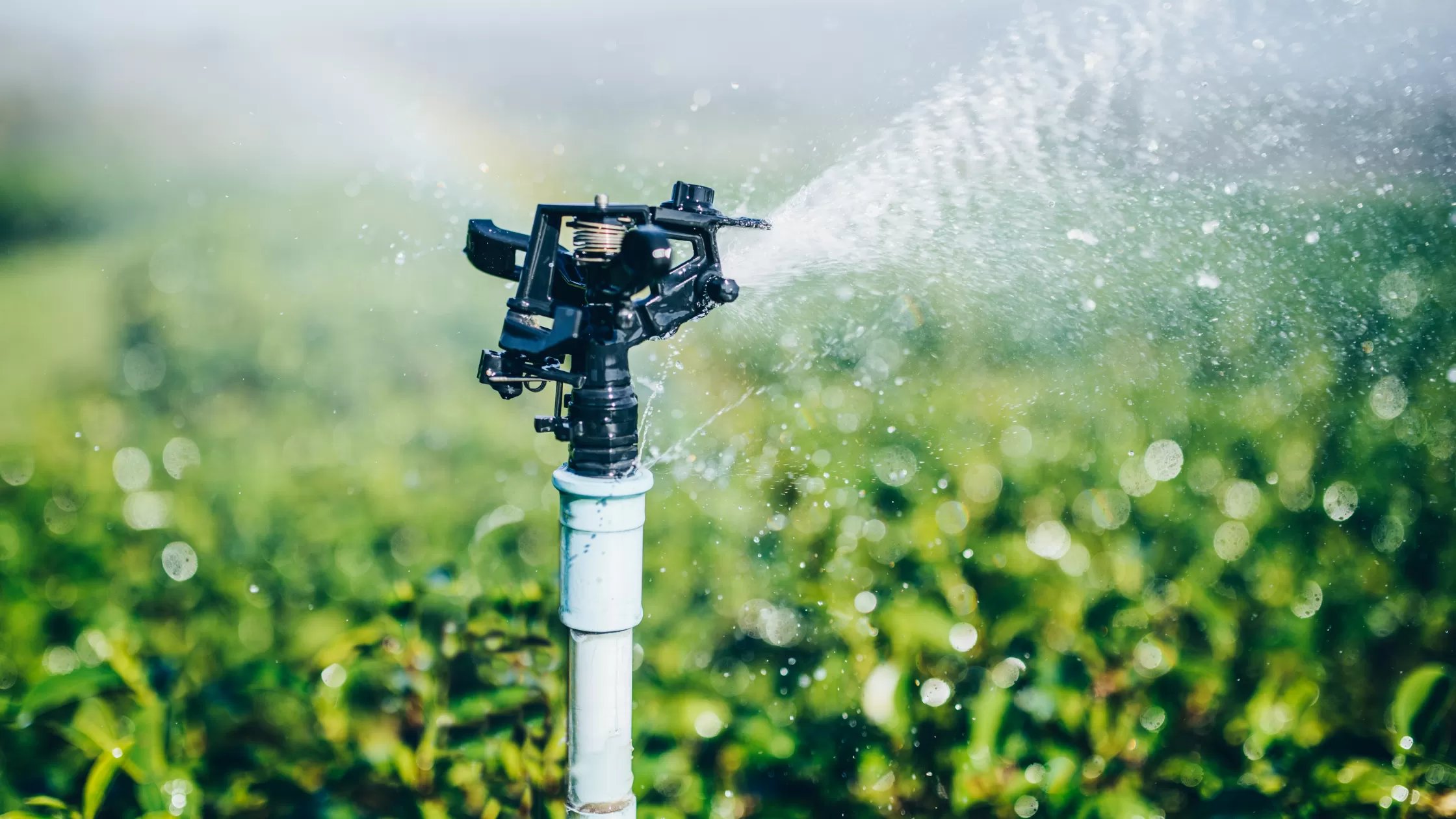
Keeping your lawn looking lush and green isn't just luck. You need the right mix of water, nutrients, good soil, and seasonal care, especially in Texas with its heat and unpredictable weather. A professional irrigation system helps make sure your lawn gets water evenly and efficiently, which can greatly boost its color, root strength, and overall health. Pairing this with services like lawn care and moisture management makes irrigation a key player in maintaining a healthy lawn.
Watering might seem straightforward, but too much or too little can cause problems. Too much leads to shallow roots, fungus, and wasted water, while too little causes stress and brown patches. According to the U.S. Environmental Protection Agency, outdoor water use is a big part of residential consumption, making efficient watering practices important for both lawn health and conservation. For more tips on smart irrigation, check out the EPA WaterSense program.
The connection between water and root growth
Grass thrives when water soaks deep into the soil, encouraging roots to grow downwards rather than staying near the surface. Deep roots help your lawn handle heat, drought, and daily wear and tear better. A professionally planned irrigation system can support this by watering on a schedule that suits your grass type, soil condition, and sun exposure. This is crucial in North Texas, where hot weather can dry out lawns quickly.
Why hand watering often falls short
Manually watering your lawn may offer flexibility, but it rarely covers the area consistently. Moving sprinklers by hand can miss spots, create puddles, or water more than just the grass. A professionally installed system, on the other hand, distributes water evenly, reducing stress on your lawn and making it easier to keep healthy all season long.
Signs Your Lawn Needs Better Irrigation
Many homeowners don't notice their watering system failing until visible damage appears. By then, the lawn might already be stressed and more vulnerable to weeds and pests. Recognizing the warning signs early can help you fix problems before they become big issues.
Patchy color and inconsistent growth
If parts of your yard are lush green while others are yellow or brown, you might have uneven water distribution. This can happen if sprinkler heads are clogged, misaligned, or spraying unevenly. Uneven watering also occurs in yards with slopes or compacted soil. Pairing irrigation improvements with core aeration can help water reach the root zone more effectively.
Runoff, puddles, and soft spots
If water pools on the surface rather than soaking in, your lawn might be getting too much water or the soil can't absorb it well. Runoff wastes water and can wash away soil. Soft spots may also signal drainage problems or oversaturation. A professional evaluation can determine if adjustments, grading, or soil amendments are needed.
High water bills without better results
If your water bill is high but your lawn looks stressed, your system might be inefficient. Leaks, broken heads, or poor scheduling can waste water without improving plant health. The Texas A&M AgriLife Extension provides practical advice on lawn irrigation and soil management. Check out their resources at Texas A&M AgriLife Extension for more info.
What Makes a Professional Irrigation System Different
A professional irrigation system is more than just sprinklers. It's a carefully planned strategy based on your yard's needs, such as size, slope, sun exposure, and soil type. Rather than a one-size-fits-all approach, professionals design systems to water the areas that need it most.
Smart zoning for different parts of the yard
Not every part of your lawn needs the same amount of water. Sunny spots dry out faster, shaded areas stay wetter, and flower beds might need a different schedule. Zoning allows each section to get the right amount. This helps prevent overwatering in some areas and underwatering in others, keeping your lawn healthier with less wasted water.
Better coverage and sprinkler placement
One big advantage of professional systems is precise sprinkler placement. Heads are positioned to cover your yard evenly, reducing dry spots and overwatered patches. Proper spacing also improves water pressure and spray uniformity. Even a small misalignment can affect your lawn's health over time.
Advanced controls and scheduling
Modern systems often include timers, rain sensors, and smart controllers that adjust watering based on weather. Some can even adapt to seasonal changes, watering less during cooler periods. This automation helps maintain consistency and reduce waste. For a reliable setup, professional installation works well with fertilization and regular monitoring.
How Irrigation Supports Overall Lawn Health
Water is crucial for lawn care, supporting everything else. Without it, grass can't absorb nutrients, recover from stress, or maintain color. A good irrigation plan works with mowing, feeding, and weed control to create a stronger lawn. That's why many homeowners connect their watering strategy with weed control and seasonal care.
Improved nutrient uptake
Grass needs water to move nutrients from the soil into its roots. If the soil is too dry, fertilizer might not work as expected. If it's too wet, nutrients can wash away before roots absorb them. A well-managed schedule helps create the right conditions for nutrient uptake, increasing the effectiveness of lawn treatments.
Reduced weed pressure
Healthy, evenly watered grass can crowd out weeds better than weak turf. Dense lawn coverage leaves fewer spots for weeds to grow. Drought-stressed grass, on the other hand, can leave openings for weeds. While irrigation doesn't replace weed prevention, it helps maintain thick turf that can resist invaders.
Better recovery from heat and foot traffic
Lawns in busy neighborhoods face stress from pets, kids, and gatherings. Proper irrigation helps grass recover by keeping roots hydrated and resilient. During hot months, a lawn with stable moisture is less likely to dry out or develop brown patches. This makes irrigation a practical investment for homeowners who want both beauty and durability.
Common Irrigation Problems and How to Fix Them
Even the best systems need maintenance. Over time, heads can clog, lines can leak, and programming can get out of sync. Regular checks catch these problems before they cause damage. Often, the most expensive lawn issues are actually irrigation problems that went unnoticed.
Broken or misaligned sprinkler heads
If sprinkler heads are damaged, they might spray sidewalks or streets instead of your lawn, wasting water and leaving dry spots. Misaligned heads can also create oversaturated areas that invite disease. A technician can quickly repair or replace faulty heads and ensure proper coverage.
Leaks and low pressure
Underground leaks can be hard to spot but can dramatically reduce efficiency. Signs include soggy ground, weak spray, and high water use. Low pressure might also mean a clogged line or cracked pipe. If these aren't fixed, your lawn might dry out in some areas while others stay too wet.
Poor scheduling and overwatering
Many systems are set once and then forgotten, but weather changes affect how much water your lawn needs. Overwatering is common because systems seem to be working. The best approach is to adjust schedules regularly and use weather-based controls when possible.
Combining Irrigation With Other Lawn Care Services
Irrigation is most effective when it's part of a complete lawn care plan. Water alone won't fix issues like compacted soil, pests, or nutrient deficiencies. Homeowners often benefit from coordinating irrigation with other services that support the lawn from the ground up.
Pairing water management with aeration and soil improvement
Compacted soil can keep water from reaching roots, even if the system delivers enough. Core aeration opens the soil, while amendments help retain moisture and support root growth. When irrigation and soil care work together, grass absorbs water more efficiently.
Supporting pest and disease prevention
Excess water can create damp conditions that encourage fungus and insect problems. Drought-stressed turf is also more vulnerable. A balanced plan helps keep moisture levels steady. For added protection, consider fungus treatment and insect control.
Working alongside mowing and fertilization
Correct watering helps grass respond better to mowing and fertilization. It grows evenly and maintains color longer. Coordinating irrigation with a feeding plan gives your lawn the support it needs to stay thick and attractive.
Seasonal Irrigation Tips for North Texas Lawns
Weather in North Texas can change dramatically between seasons. Spring might bring rain, summer brings heat, and fall turns cooler. Because of these changes, irrigation should adapt. A smart seasonal plan can maintain lawn quality while limiting waste.
Spring adjustments
In spring, lawns often need less water than in summer. Rainfall is more frequent, and grass is coming out of dormancy. This is a good time to check sprinkler coverage and timers and prepare for heavier use later. It's also a good time to coordinate irrigation with pre- and post-emergent treatment.
Summer watering strategy
In summer, deeper and less frequent watering is better than shallow daily watering. This encourages deep root growth and helps handle heat better. Watering in the early morning reduces evaporation and gives grass time to dry, limiting fungus issues.
Fall preparation and winter protection
As temperatures drop, watering needs decrease. Overwatering in fall can weaken turf and lead to disease. Before winter, inspect for damage and adjust for reduced use. This helps protect your investment and prepares your lawn for the next season. For year-round lawn care guidance, visit our lawn care best practices page.
How a Professional Evaluation Helps You Save Time and Water
Many homeowners are surprised by how much water they save after a professional irrigation review. Experts can spot coverage gaps, leaks, and scheduling issues that are easy to miss. The result is a more efficient system and a better-looking lawn with less trial and error.
Accurate recommendations based on property conditions
Every yard is unique. Soil, shade, slope, and turf type all affect water needs. A professional evaluation considers these details, improving performance and helping avoid common mistakes.
Preventing long-term damage
Small watering problems can lead to big lawn issues if ignored. Roots might become shallow, soil might become hydrophobic, and weeds might spread. Over time, you may face costly repairs or need sod replacement. Fixing irrigation issues early is cost-effective.
Improving curb appeal and property value
A green, healthy lawn doesn't just look good it boosts property value. Consistent irrigation helps maintain a polished appearance, especially with clean mowing lines and well-timed treatments. For those who care about presentation, irrigation is a smart investment.
Final Thoughts: Build a Lawn Care Plan That Lasts
Keeping your lawn green and healthy takes more than occasional watering. It needs a system that delivers moisture efficiently, adapts to seasons, and supports your lawn care plan. A professional irrigation system helps you avoid waste, reduce stress on your grass, and create a reliable path to lasting lawn health. When combined with services like fertilization, aeration, weed control, and disease prevention, it forms a complete strategy for better results.
If you're ready to improve your lawn’s health and simplify your routine, Anointed Lawn Care The Weed Killers can help you create a smarter approach to watering and turf care. Explore our irrigation services, review our lawn care options, or contact our team for a custom recommendation. Call (817) 349-3500 or email Sales@anointedlawncare.com to get started with a plan built for your property and your goals.
Take the next step today: schedule a professional evaluation and give your lawn the consistent care it needs to stay green, healthy, and ready for every season.