Professional Lawn Care That Keeps Your Grass Green and Weeds Under Control
Homeowners dream of a lawn that looks neat, healthy, and lively without dedicating every weekend to battling weeds, heat, and soil issues. Achieving this is possible, but it often requires more than just mowing and tossing some store-bought fertilizer. Professional lawn care involves timing, turf expertise, weed prevention, and targeted treatments to help your yard thrive through all seasons.
If you've dealt with thin spots, stubborn weeds, or dull grass despite regular watering, you're not alone. In North Texas, lawns face challenges like compacted soil, temperature swings, and aggressive weed growth that can overpower a basic DIY approach. This guide will explain how professional services can transform your lawn and why treatments like lawn care, weed control, and fertilization make a noticeable difference in your yard's appearance and health.
For local homeowners, the key is not doing everything at once but choosing the right treatment at the right time. Experience is crucial, especially when transitioning from spring growth to summer stress and back to fall recovery. According to the U.S. Environmental Protection Agency’s WaterSense program, efficient watering and proper landscape practices help reduce waste while promoting healthier outdoor spaces. These principles support consistent turf growth.
Why Grass in Texas Needs a Different Care Plan
Heat, drought, and soil stress create constant pressure
Texas lawns face multiple issues at once. High temperatures can quickly dry out turf, especially when soil is compacted and roots can't reach deep water. Heavy use, foot traffic, and clay-based soil can limit airflow, forcing roots to work harder than they should.
This is why professional care starts with understanding the specific needs of your property. A lawn in full sun has different requirements than one with shaded sections, drainage issues, or dry patches. When a technician assesses these conditions, they can craft a treatment plan tailored to your yard instead of relying on guesswork.
Weeds thrive where turf is weak
Weeds don't pop up because of a single mistake. They invade where the lawn offers them opportunities. Thin grass, low nutrients, poor mowing habits, and bare soil create ideal conditions for weed seeds to germinate and spread.
The best weed strategy combines prevention and correction. A thick, healthy lawn is one of the strongest defenses against weeds because it blocks sunlight and leaves little room for unwanted growth. Effective programs often pair pre & post emergent treatment with consistent turf support, addressing weeds early before they take over.
Local weather patterns change the timing
Timing matters as much as the treatment itself. Warm-season grasses respond differently to heat than cool-season weeds. Some products work best before seeds emerge; others are for active infestations. A professional can schedule applications based on weather, soil temperature, and plant growth stages, ensuring your lawn benefits from each visit.
Proper timing also protects your investment. Applying the wrong product too early or too late reduces effectiveness and wastes money. In contrast, a well-timed service plan keeps your lawn on track throughout the year, which is especially important where spring growth can quickly turn into summer stress.
The Building Blocks of a Healthy, Weed-Resistant Lawn
Fertilization fuels thicker, more resilient growth
Grass needs nutrients to grow, recover, and compete. Without the right feeding schedule, turf can become thin, pale, or patchy, creating space for weeds. Professional fertilization gives your lawn a steady nutrient supply, enabling it to build density and color without rapid, weak growth.
Fertilization shouldn't be a guessing game. The best programs consider turf type, season, rainfall, and current condition. When nutrients are applied at the right pace, grass spreads evenly and recovers faster from stress, making it easier to maintain a uniform lawn instead of battling weak spots all year.
Aeration helps roots breathe and grow deeper
Compacted soil is a common reason lawns struggle. Tight soil makes it hard for water and nutrients to reach the root zone, leaving grass looking dry despite watering, as roots can't efficiently use what they need.
Services like core aeration and liquid aeration open the soil, encouraging stronger root growth. Aeration is particularly helpful in high-traffic yards or those with heavy clay soil. It allows turf to absorb moisture and nutrients better, improving the lawn's long-term condition rather than just masking symptoms.
Weed control works best when it is proactive
Many homeowners wait until weeds are visible to act. By then, weeds are already competing for water, sunlight, and nutrients. Professional weed control stops the cycle early, resulting in fewer outbreaks and less lawn damage overall.
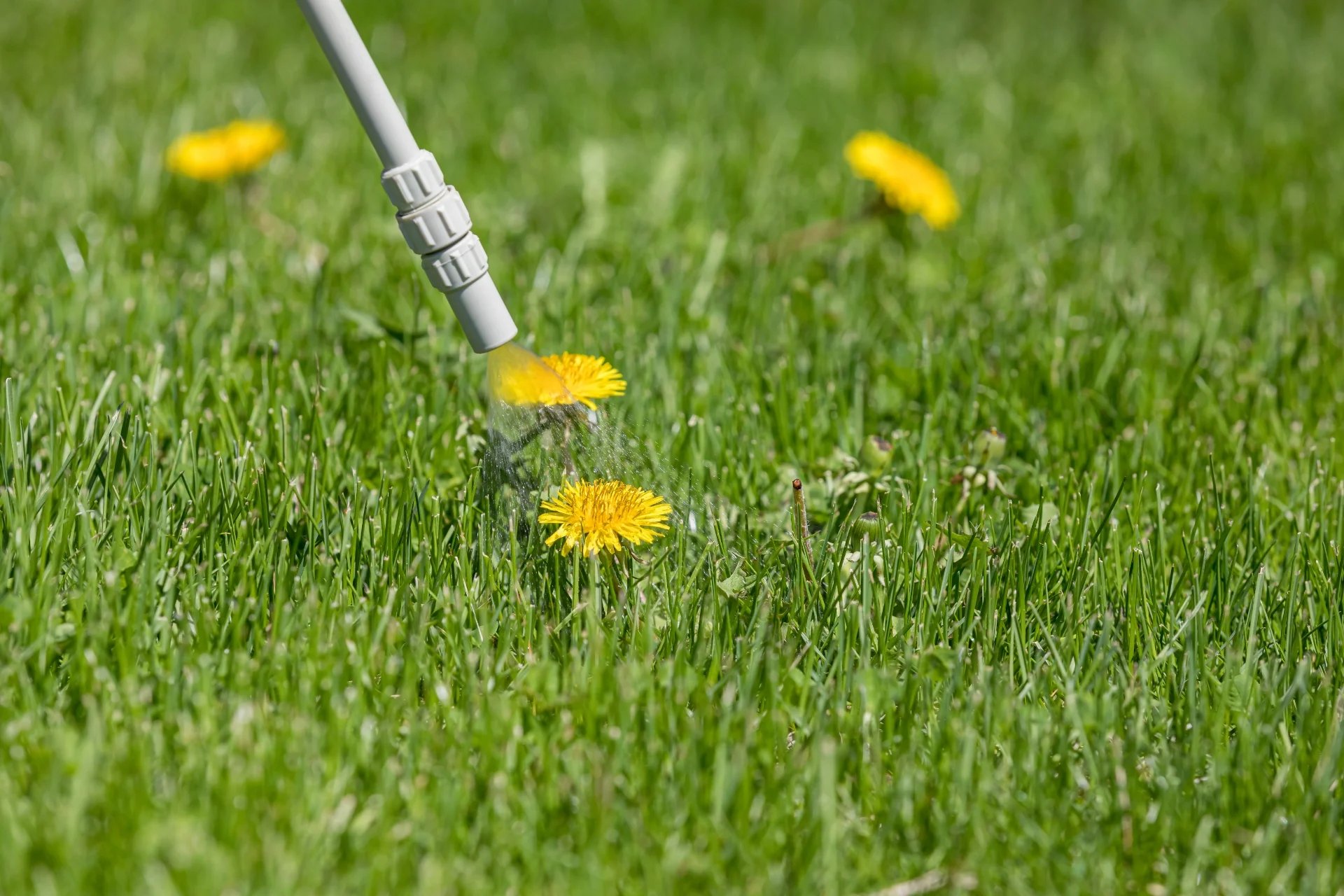
A service like weed control can combine preventive applications and spot treatments to address both common broadleaf weeds and fast-spreading grassy weeds. Effective programs use lawn health as part of the defense. The healthier your grass, the less likely weeds are to take hold and spread.
What Professional Lawn Care Includes Beyond Mowing
Routine mowing supports turf health
Mowing isn't just about looks. Done right, it manages grass height, reduces stress, and encourages healthier growth patterns. Cutting too short weakens turf, exposes soil, and increases weed pressure, while infrequent mowing leaves the lawn uneven and harder to maintain.
Professional lawn mowing keeps your grass at a manageable height, supporting overall consistency. For many homeowners, the benefit is not just a cleaner look but also a lawn that responds better to the rest of the care program. Mowing becomes part of a larger strategy, not the only maintenance step.
Moisture management helps lawns handle dry spells
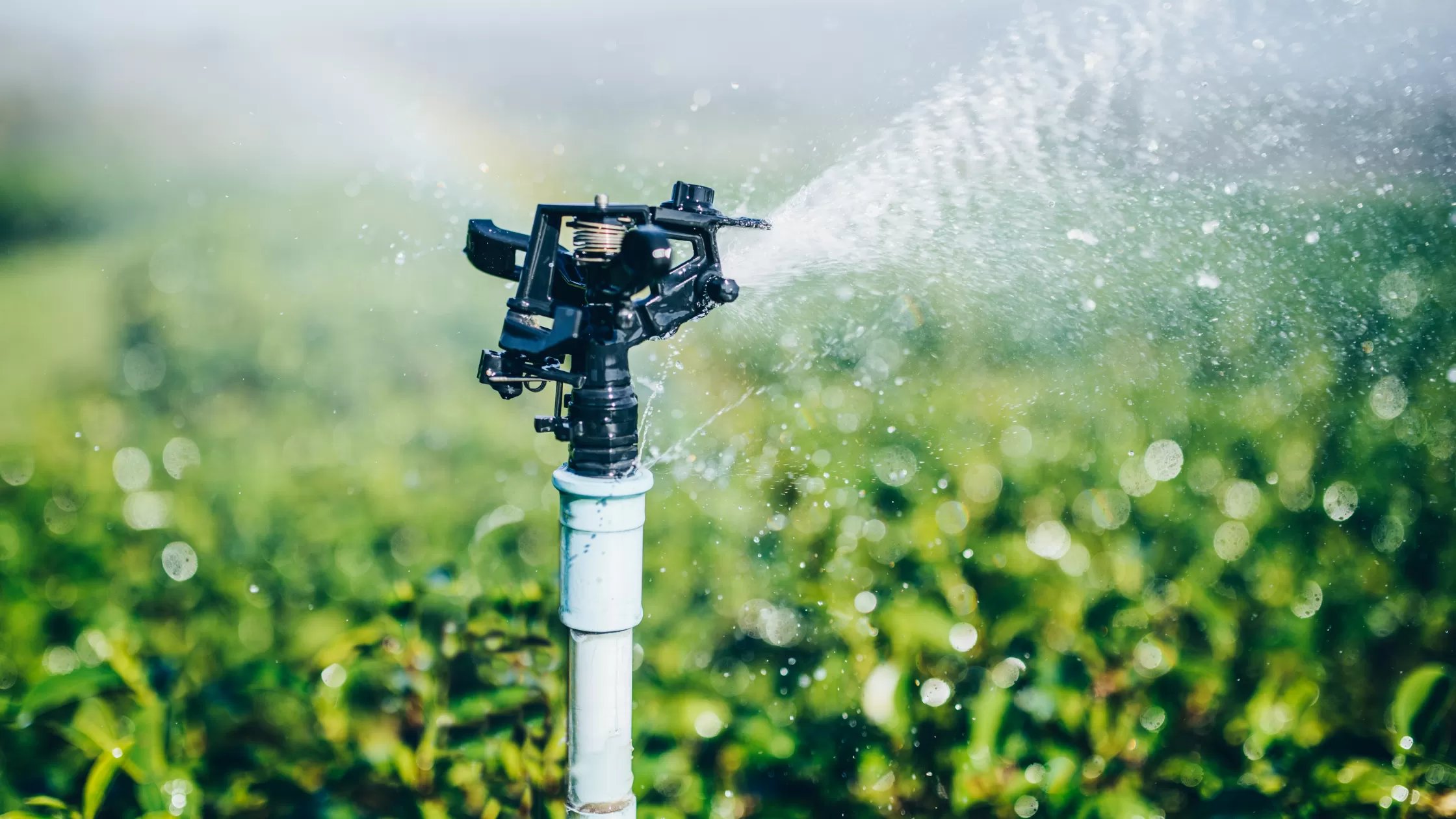
Water management is a big challenge in North Texas. Too little moisture causes stress and discoloration, while too much water creates disease pressure and weak roots. A lawn watered without a plan may struggle because the soil isn't holding moisture efficiently.
This is where moisture management comes in. This service supports soil and turf so water remains available longer, reducing root stress during hot periods. Combined with smart irrigation practices, it helps homeowners get more value from every watering cycle while protecting the lawn's health.
Insects and disease can undo good lawn care quickly
Even a lawn with excellent mowing and fertilization can decline if pests or fungus move in. Grubs, fire ants, chinch bugs, and other pests damage roots or disrupt turf structure. Disease pressure can create brown spots, thinning, or irregular patches that spread if left untreated.
This is why professional lawn care often includes grub control, fire ant control, and disease and fungus control. Each service addresses a different threat, but they all aim to protect the lawn from hidden damage that can undo months of progress. For a broader approach, homeowners can also consider insect control to reduce pest pressure across the yard.
How to Spot Lawn Problems Before They Spread
Watch for thinning, discoloration, and uneven growth
One of the easiest ways to catch trouble early is to observe your lawn's weekly changes. If one area thins faster than the rest, or if certain spots look dull, it might signal stress, disease, or nutrient imbalance. Uneven growth often indicates the issue isn't surface-level; it may be in the soil or root zone.
When homeowners notice these signs early, treatment is often simpler and more affordable. A professional can inspect the turf, identify the likely cause, and recommend the right fix before the issue spreads. This is much more effective than waiting until large brown sections appear or weeds fill bare areas.
Look for soil compaction and drainage problems
If water pools after rain or runs off instead of soaking in, the soil may be compacted or poorly structured. This condition limits oxygen to the roots, making it harder for grass to stay vigorous. It can also create an environment where weeds, fungus, and pests thrive.
Soil testing and property assessment are valuable as they reveal what's happening below the surface. Often, the right combination of aeration and soil amendments and conditioners can improve water movement, nutrient availability, and root performance. These changes may not be dramatic overnight, but they create lasting improvements that support the lawn throughout the year.
Check the edges, not just the center
Weeds often appear first along sidewalks, driveways, fence lines, and landscaped borders. These areas heat up faster and dry out sooner, making them easier for weeds to invade. If you only inspect the middle of the lawn, you might miss the first signs of trouble.
Paying attention to the perimeter helps you catch problems early. It also helps identify where treatments may need adjustment, as edge areas often require different attention than open turf. A lawn care plan that treats the whole property as one system is much more effective than one focusing only on visible sections.
Why Professional Timing Matters More Than Product Alone
Correct timing improves results
Many lawn care products only work if applied during the right window. Pre-emergent treatments work before weeds appear, while post-emergent products target active growth. Fertilizer timing also affects how well the lawn responds, especially during high heat or rapid growth.
Professional technicians schedule these applications to align with seasonal changes. This kind of timing makes a noticeable difference in the lawn's appearance and health. It also reduces the chances of wasting products on conditions unsuitable for success.
Weather and soil conditions influence every decision
Rain, heat, wind, and soil moisture all affect how lawn treatments perform. Even the best product can underperform if applied during the wrong conditions. Professionals consider these factors before treatment to protect both the lawn and the effectiveness of the application.
This is why many homeowners prefer a scheduled service plan rather than handling every issue in isolation. With regular assessments, treatment decisions are based on the lawn’s actual condition rather than a guess. That leads to better consistency, which is what most homeowners want most of all.
Seasonal plans reduce trial and error
A seasonal lawn care program removes the guesswork from maintenance. Instead of reacting to problems one at a time, the plan anticipates what the lawn will need next. This approach is especially useful in areas with long warm seasons and aggressive weed cycles.
For instance, a spring plan may focus on weed prevention and growth support, while summer emphasizes stress reduction, moisture control, and pest management. Fall then shifts toward recovery and preparation for the next growing cycle. This kind of planning creates a stronger lawn over time and helps avoid the ups and downs that come from inconsistent care.
How to Build a Lawn Care Routine That Actually Works
Start with a property assessment
The best results begin with understanding your yard's current condition. A property assessment can reveal weed pressure, soil issues, irrigation concerns, and stress points not obvious from a distance. This makes it easier to prioritize the right services in the right order.
An experienced team like Anointed Lawn Care The Weed Killers uses this approach to build custom plans around each property's needs. Since every lawn is different, a one-size-fits-all treatment rarely produces the best result. A tailored plan is more practical, more efficient, and usually more cost-effective over time.
Combine treatment with prevention
It's tempting to treat only what's visible, but prevention usually delivers stronger long-term results. This means pairing lawn health services with weed prevention, pest protection, and soil support. If the turf is healthier, it becomes harder for problems to return.
Services like pre & post emergent treatment, insect control, and lawn diseases & fungus treatment work together to protect the lawn from multiple threats. When thoughtfully scheduled, they help reduce setbacks and keep the yard looking more uniform throughout the year.
Stay consistent through the full season
Consistency matters more than occasional effort. A single treatment can improve a lawn for a short time, but steady care creates lasting change. Homeowners who stick with a plan often see better color, better density, and fewer weed outbreaks because the lawn stays supported through changing conditions.
That's why professional lawn care is not just a cleanup service; it is an ongoing strategy. The goal is to keep the lawn moving in the right direction so it doesn't fall back into a cycle of stress and recovery. In practical terms, that means fewer surprises and a better-looking yard week after week.
Common Lawn Care Mistakes Homeowners Make
Mowing too short weakens the turf
Cutting grass too low can expose soil, increase heat stress, and make weeds more likely to sprout. It can also reduce the plant’s ability to produce energy through photosynthesis. Many homeowners think a shorter cut means less maintenance, but it often leads to more problems instead.
Keeping mowing height appropriate for the turf type helps protect the roots and maintain a fuller lawn. This is one reason regular professional mowing can be more effective than occasional DIY cuts. The right height supports the whole lawn, not just the surface appearance.
Overwatering and underwatering can both hurt growth
Watering mistakes are common because lawns often need different amounts of moisture depending on the season. Too much water can encourage shallow roots and fungal problems, while too little water can leave the grass dry, brittle, and unable to recover. The right balance is essential for long-term success.
That balance is easier to maintain when watering is paired with moisture-aware treatments and irrigation planning. For homeowners who want a smarter system, checking out irrigation services can help support healthier watering habits. A controlled approach usually produces better results than watering by feel alone.
Waiting too long to treat weeds makes them harder to manage
Weeds become more difficult to control once they establish themselves and spread seed. A small infestation can quickly turn into a broad problem if it is ignored for too long. That is why early intervention is so important.
If you have a lawn that already shows weed pressure, the best move is to treat both the visible weeds and the conditions that helped them grow. That may include fertilization, aeration, and weed control together. Fixing the cause is just as important as removing the symptom.
What Professional Service Means for Homeowners
Less guesswork, more dependable results
Professional lawn care removes a lot of uncertainty from the process. Instead of buying products and hoping they work, homeowners get a plan built around the property’s actual condition. That saves time and helps reduce the frustration of repeated failures.
It also creates a clearer path forward. When a lawn is managed by people who understand turf cycles, seasonal stress, and weed behavior, each treatment has a purpose. That kind of direction is hard to match with random products from a shelf.
Better curb appeal and stronger property value
A well-maintained lawn changes the way a home feels from the street. Clean edges, consistent color, and fewer weeds all make a property look more cared for. For many homeowners, that is not just about pride; it also improves the overall impression of the home.
That curb appeal can matter in everyday life as well as future resale. A healthy yard creates a more welcoming outdoor space for family, guests, and neighbors. It is one of the simplest ways to add value without remodeling or large-scale construction.
A local team understands local conditions
Working with a local company matters because local experience shapes better decisions. A team that knows the soil, weather patterns, and seasonal weed pressure in the area can recommend more effective treatment timing and product selection. That familiarity helps produce more reliable outcomes.
For homeowners in and around Newark, that local knowledge is part of what makes professional care worthwhile. It means the service is not generic. It is designed for the conditions your lawn actually faces during the year.
Frequently Asked Questions About Lawn Care and Weed Control
How often should a lawn be treated?
The answer depends on grass type, current condition, and seasonal pressure. Many lawns benefit from regular service throughout the year so nutrients, weed prevention, and pest protection stay consistent. A single annual treatment usually is not enough to maintain strong results.
A professional can recommend a schedule based on your yard’s actual needs. That is usually better than following a rigid calendar without considering local weather or turf stress. Consistency is important, but so is flexibility.
Can a damaged lawn recover?
Yes, many lawns can recover if the underlying issue is identified early and addressed correctly. Thin turf, weed pressure, and even mild pest damage can often improve with the right combination of care. Recovery takes time, but healthy grass can rebound when it is supported properly.
In some cases, recovery may also include sod replacement if sections are too damaged to restore quickly. That can provide a fresh start for problem areas while the rest of the lawn is being strengthened through ongoing treatment.
Is professional service worth it for small yards?
Even smaller properties can benefit from expert treatment. In fact, smaller lawns often show the difference faster because the whole yard is easier to assess and improve. A targeted plan can reduce weed pressure, improve color, and simplify upkeep without requiring a lot of time from the homeowner.
Whether the property is large or small, the real value comes from better results and less frustration. Homeowners who want dependable support often find that professional care pays off in both appearance and convenience.
Final Thoughts: Keep Your Lawn Strong All Year Long
Keeping grass green and weeds under control takes more than good intentions. It takes timing, knowledge, and a plan that matches the needs of the property. When lawn care includes fertilization, weed prevention, mowing, moisture support, and pest protection, the entire yard becomes easier to manage and more attractive to look at.
If you are tired of battling weeds or watching your lawn struggle through the season, the solution is often a professional one. A thoughtful program can help your turf grow thicker, resist stress better, and look more consistent from month to month. That is the kind of result homeowners notice immediately.
For a lawn that looks healthier and stays under control, trust a team that understands local conditions and custom treatment plans. Explore services like lawn care, weed control, and fertilization to build a stronger foundation for your yard. Ready to take the next step? Contact Anointed Lawn Care The Weed Killers today for a free estimate and discover how professional care can keep your lawn looking its best season after season.